
 Русский
 සිංහල
 Deutsch
 Français
 Nederlands
 Italiano
 Español
 简体中文
Sri Lanka Travel Tips
Sri Lanka is small on the map. It is not small in experience.
Sri Lanka may look small on a map, but travelling across the island can feel like moving through several countries in one journey. Ancient cities, Buddhist heritage, tea-covered mountains, tropical forests, wildlife parks, beaches and busy local towns can all be part of the same trip.
The most useful thing you can do before arriving is understand how the island works. Distances are not always measured well by kilometres alone, weather changes by region, trains have their own rhythm, religious places have their own etiquette, and the best parts of a journey often happen between the famous stops.
The trick is not to treat Sri Lanka like a checklist. Plan enough to travel comfortably, but leave room for local food, unexpected viewpoints, conversations, weather changes and the small moments that make a journey feel like a journey.
Visa, ETA & entry
Entry requirements depend on nationality and can change. Before travelling, check the latest information on Sri Lanka's official Electronic Travel Authorization (ETA) service rather than relying on an old blog post, social-media screenshot or information written for a different year.
If an ETA is required for your nationality, use the official ETA channel. Save your approval or reference information somewhere you can access offline. Keep a copy of your accommodation address and your first-night contact details as well.
Visa and entry rules can change. Treat the official government information as the final reference immediately before departure.
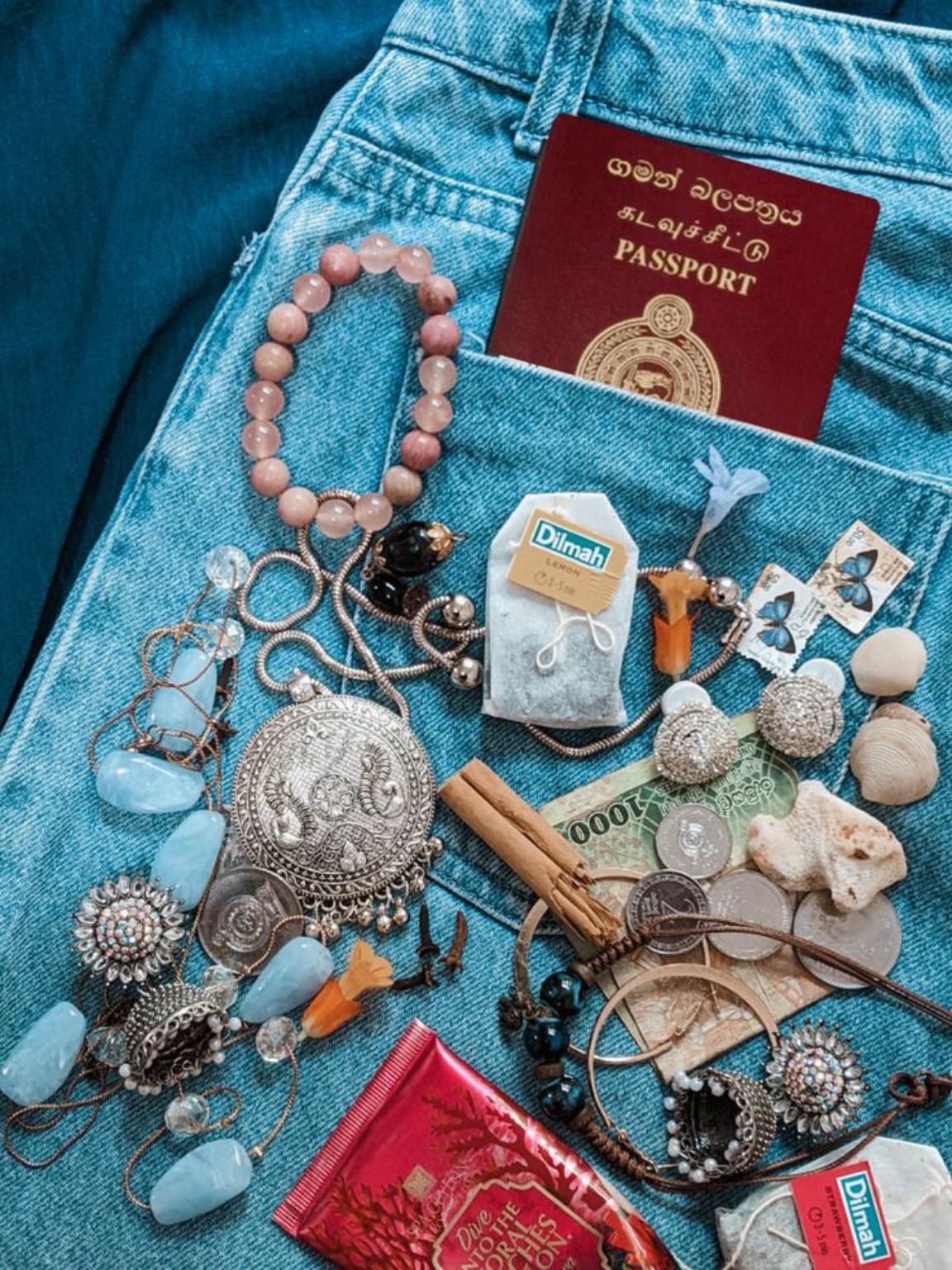
Your first hour matters less than your first plan.
Have your accommodation address saved offline and keep the contact details of your driver, hotel or tour organiser easy to find. If you are arriving late, arranging airport transport in advance can make the first night much simpler.
Bandaranaike International Airport is in the Katunayake area, outside central Colombo. Your actual driving time depends heavily on traffic and destination, so do not judge Sri Lanka's travel distances only by kilometres.
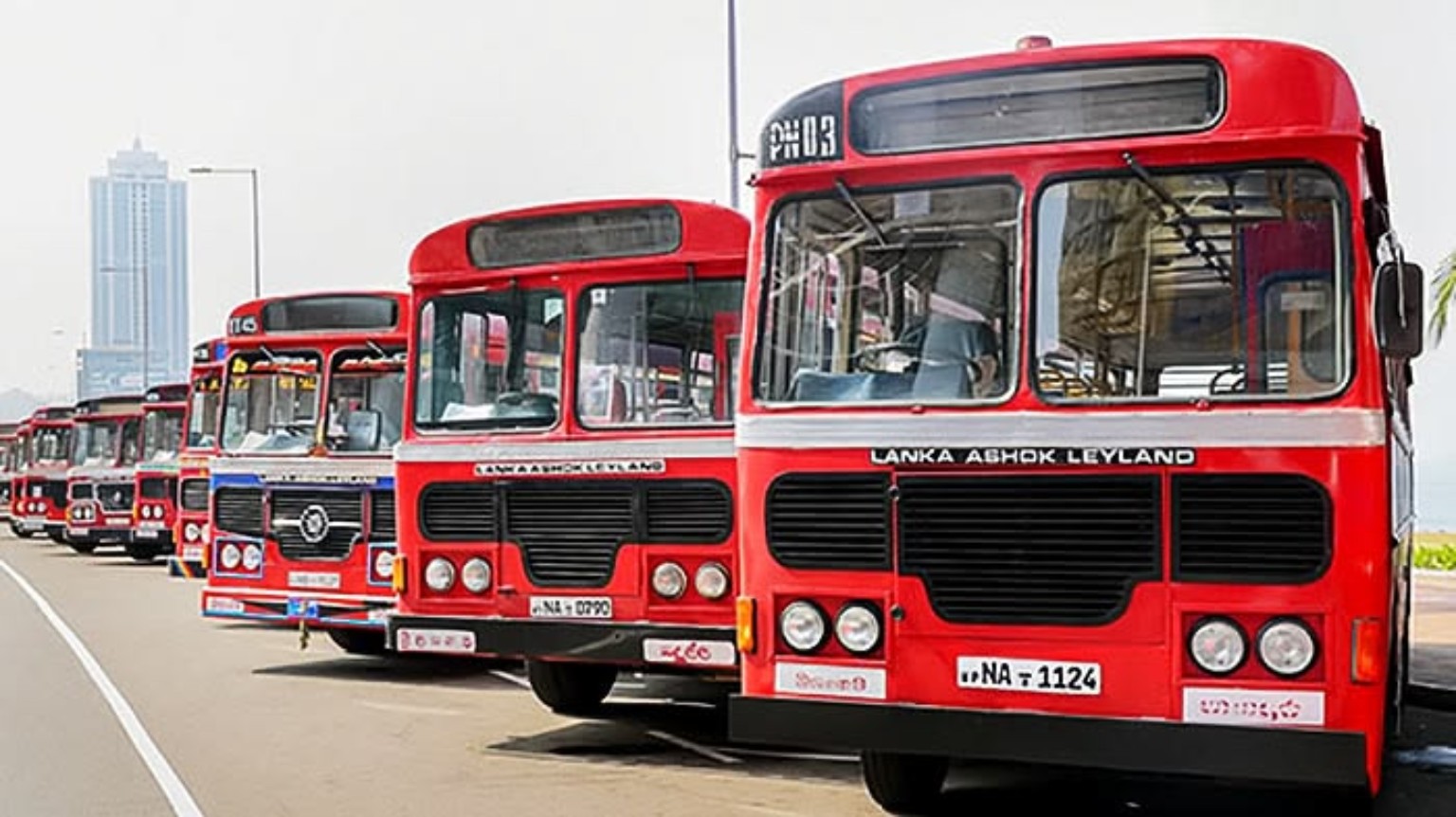
How long does it take to travel around Sri Lanka?
Distances can look short on a map, but traffic, mountain roads, towns, railway schedules and winding routes can make journeys much longer than expected. A route that looks easy on a map can still become a full travel day.
For a short holiday, group destinations by region instead of trying to collect every famous place. For a longer trip, build in slower days and allow space for weather, meals, viewpoints, local stops and unexpected delays.
A private vehicle can make a multi-stop route more flexible, but it does not make Sri Lanka's roads magically fast. Build the day around realistic travel time.
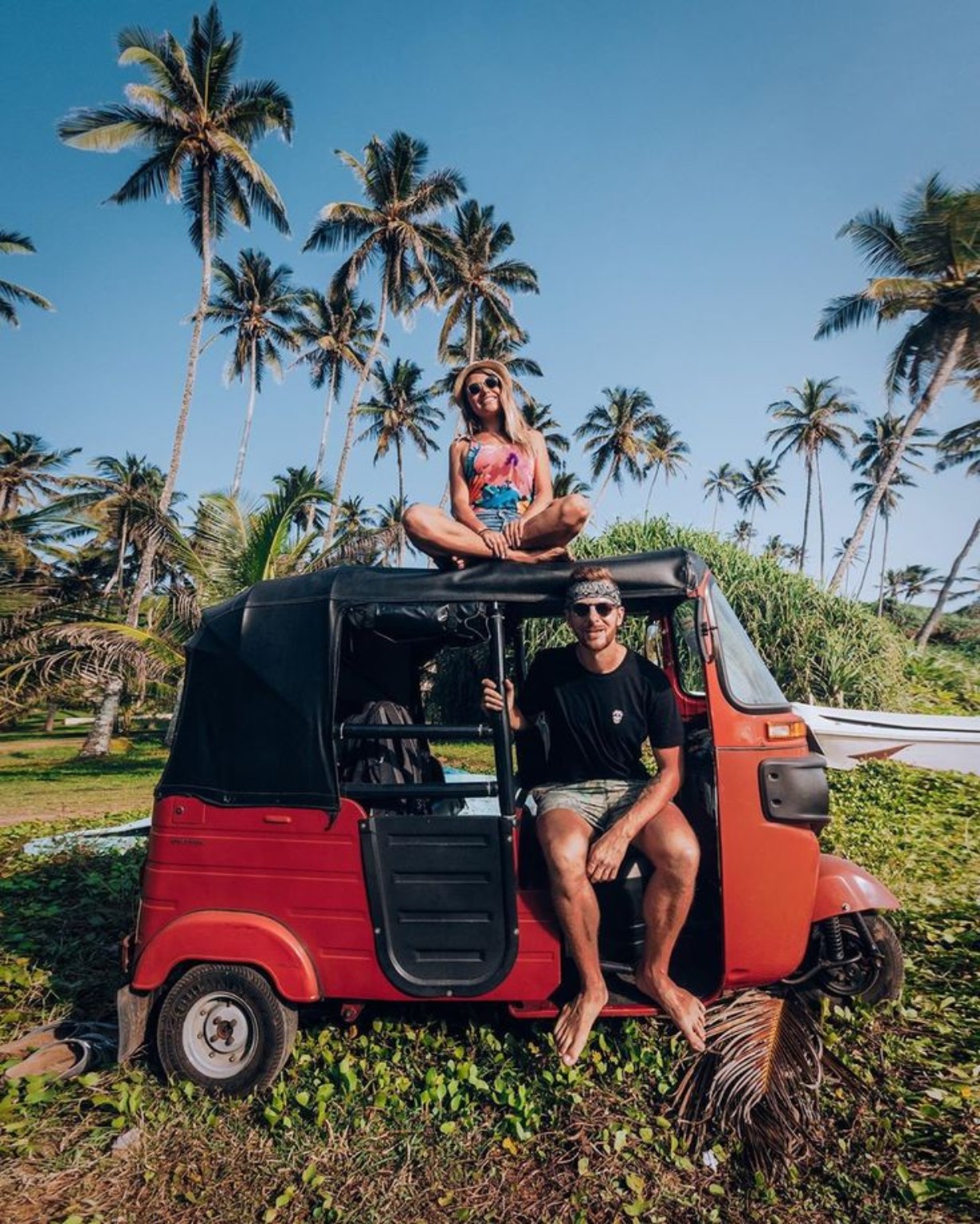
Train, car, bus or tuk-tuk?
Useful when your itinerary includes several stops, changing regions, early starts or places away from railway lines. It also gives you flexibility to stop for food, photographs and local experiences.
Sri Lanka's trains can be part of the experience as well as transport. Hill-country routes are especially scenic, but schedules, crowds and seat availability vary. Do not build a tightly timed international flight connection around a scenic train unless you have enough margin.
Buses connect towns across the island. Tuk-tuks are practical for shorter local journeys. Agree the fare when appropriate and use reputable or app-based services where available.
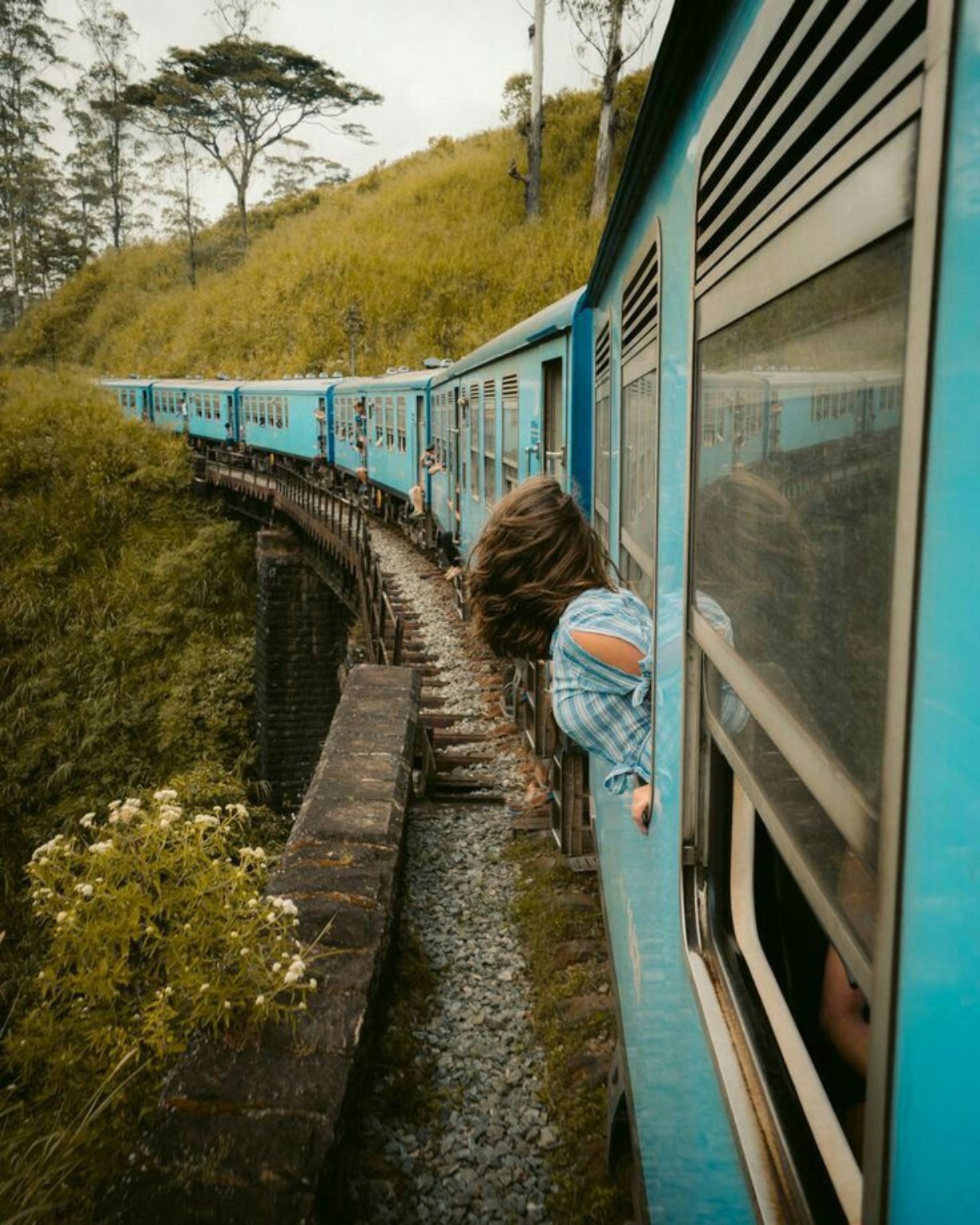
There isn't one single season for the whole island.
Sri Lanka has different weather patterns on different sides of the island. When one coast is wetter, another can often have more settled beach weather. The central highlands are cooler, especially at night and around higher elevations.
Instead of asking only “When is the best time to visit Sri Lanka?”, ask which region you want to explore. Choose your route around the coast, mountains, wildlife areas and activities that matter most to you.
Weather can still change quickly. Rain does not necessarily mean a ruined day, but it can affect hiking, trains, safaris, roads and viewpoints. A flexible plan is often more useful than trying to predict every hour.
Pack for the island, not just the forecast.
- Light, breathable clothing for hot and humid areas.
- A light jacket or layer for the hill country.
- Comfortable walking shoes with good grip.
- Hat, sunglasses and sunscreen.
- Rain protection or a compact umbrella.
- Respectful clothing for temple visits.
- Reusable water bottle and small day bag.
- Basic personal medication and toiletries.
- Offline copies of important bookings and addresses.
A light layer and respectful clothing are particularly useful when your route combines highland mornings with temple visits.
Sri Lanka temple etiquette
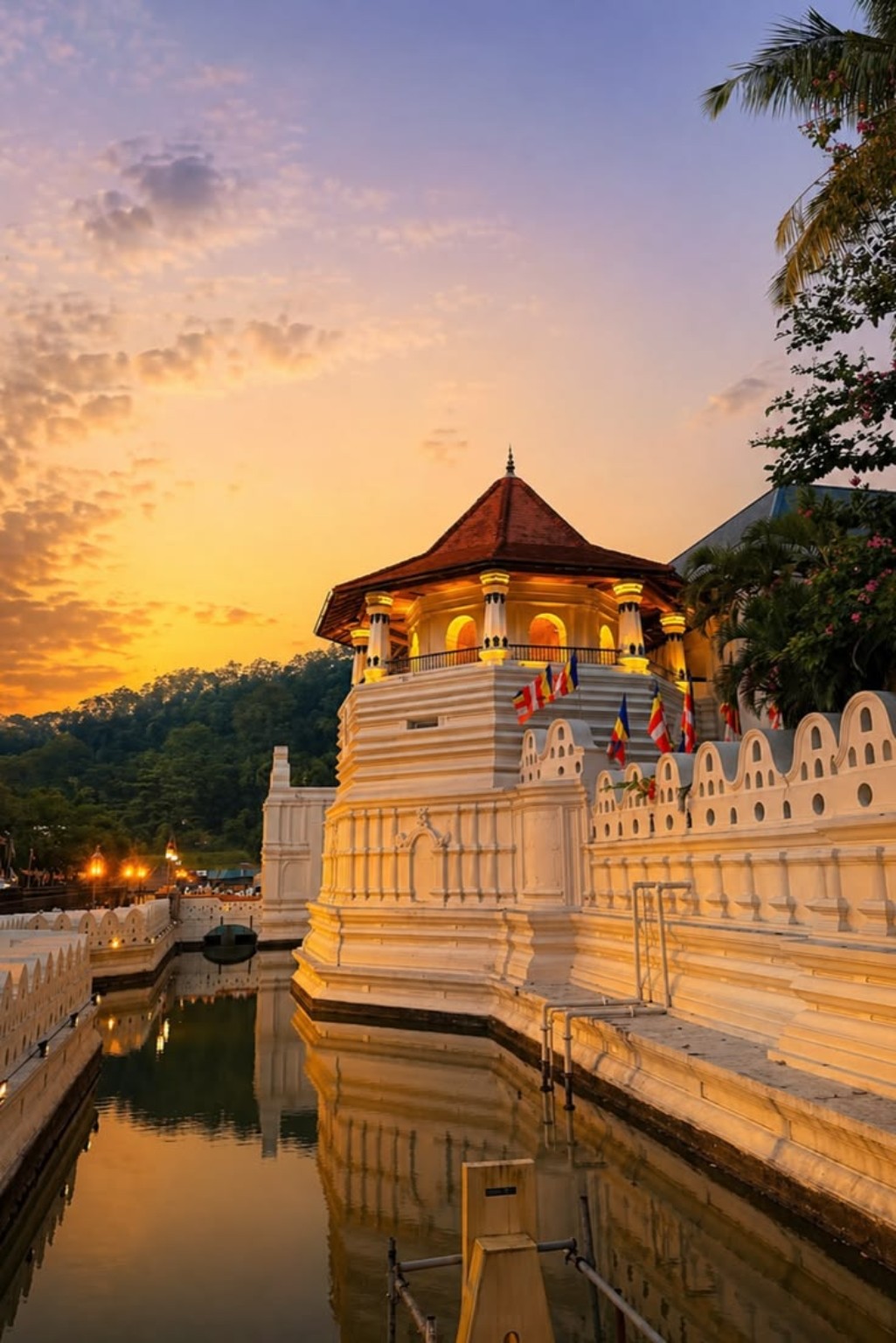
Buddhist temples are active religious places, not simply sightseeing attractions. Dress respectfully when entering: shoulders and knees should be covered, and footwear may need to be removed. Hats or caps may also need to be removed.
Do not climb on statues or treat sacred images as props. Follow signs and instructions about photography. Around monks, ceremonies and worshippers, give people space and ask before taking close photographs.
A light shawl, scarf or extra layer can be useful. Men may find comfortable cotton trousers and a simple shirt practical for temple visits; women can choose loose trousers, longer skirts or dresses and tops that cover the shoulders.
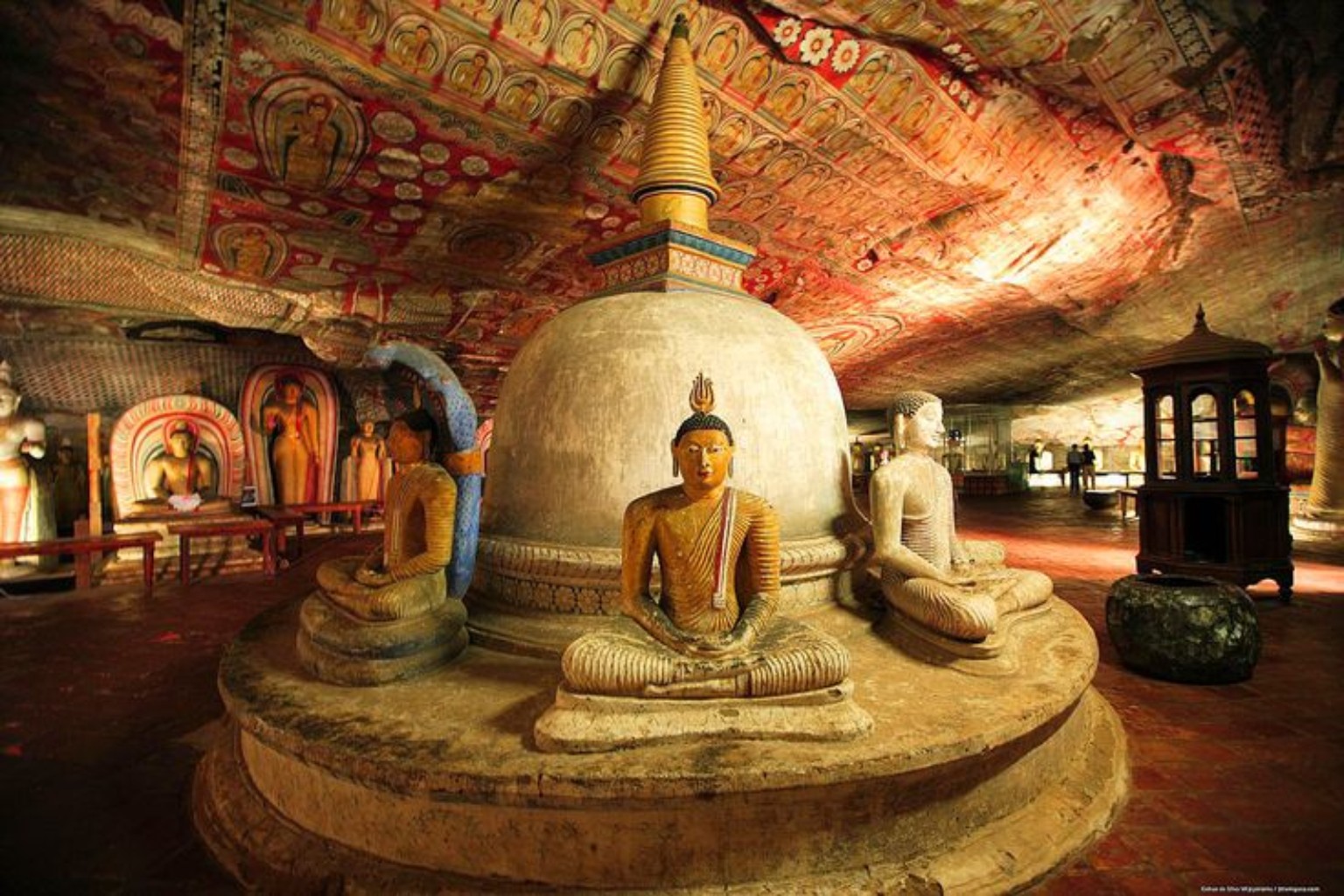
A little language goes a long way.
Sri Lankans are famously warm hosts, and a small effort with language can make everyday interactions more personal. You do not need perfect pronunciation. A smile and a respectful attempt are enough.
Ayubowan is a traditional Sinhala greeting. A gentle smile and respectful tone matter more than perfect pronunciation.
Do not assume that a handshake is appropriate with a Buddhist monk or Hindu Swami. Follow local custom and greet respectfully with your hands together when appropriate.
When handing something to another person, using the right hand or both hands is appreciated. Sri Lankan conversation can sometimes feel personal; this often reflects the importance of family and community in everyday life.
Small language tip: pronunciation and spelling can vary when Sinhala words are written in English letters. Listen to local speakers and do not worry about sounding perfect.
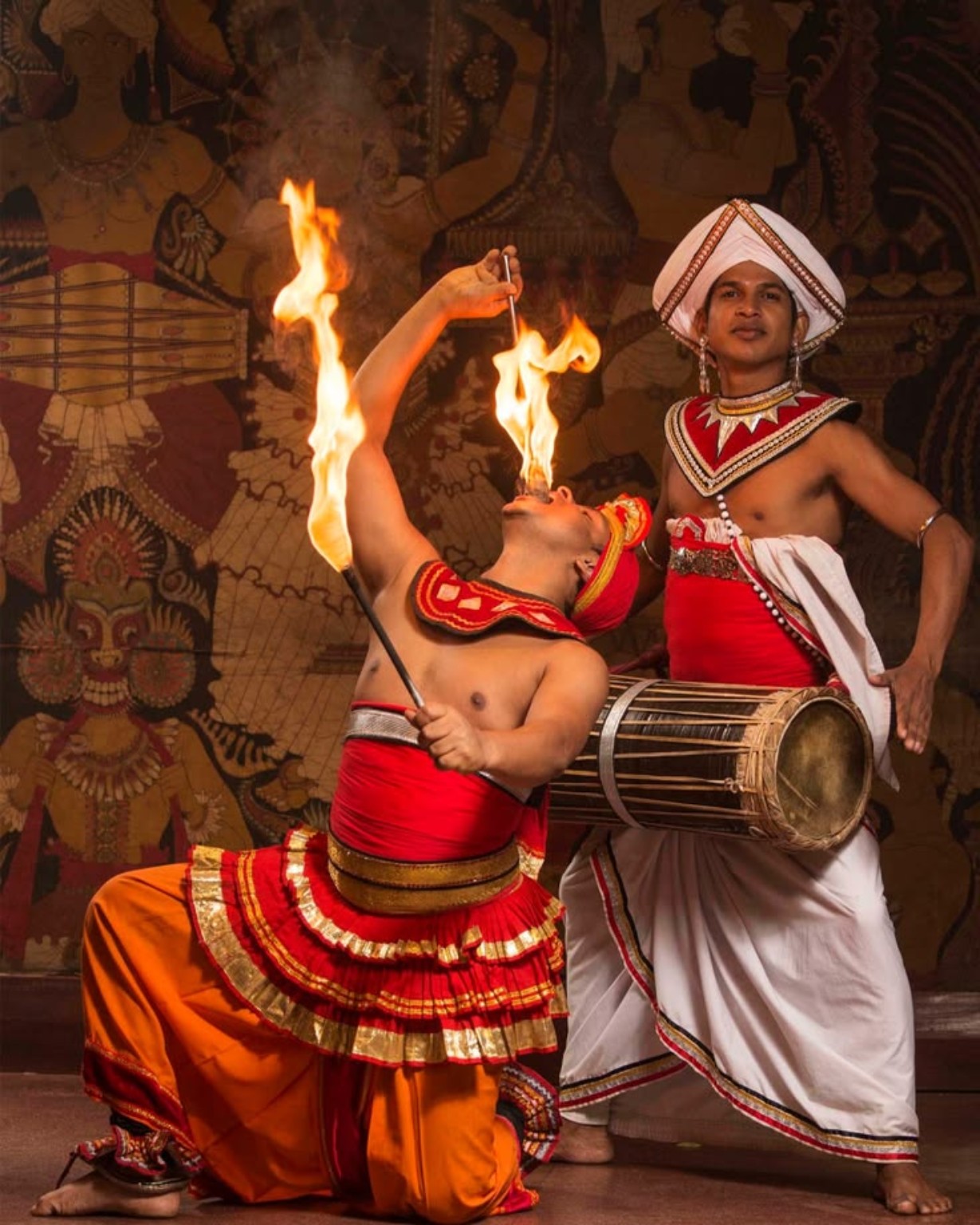
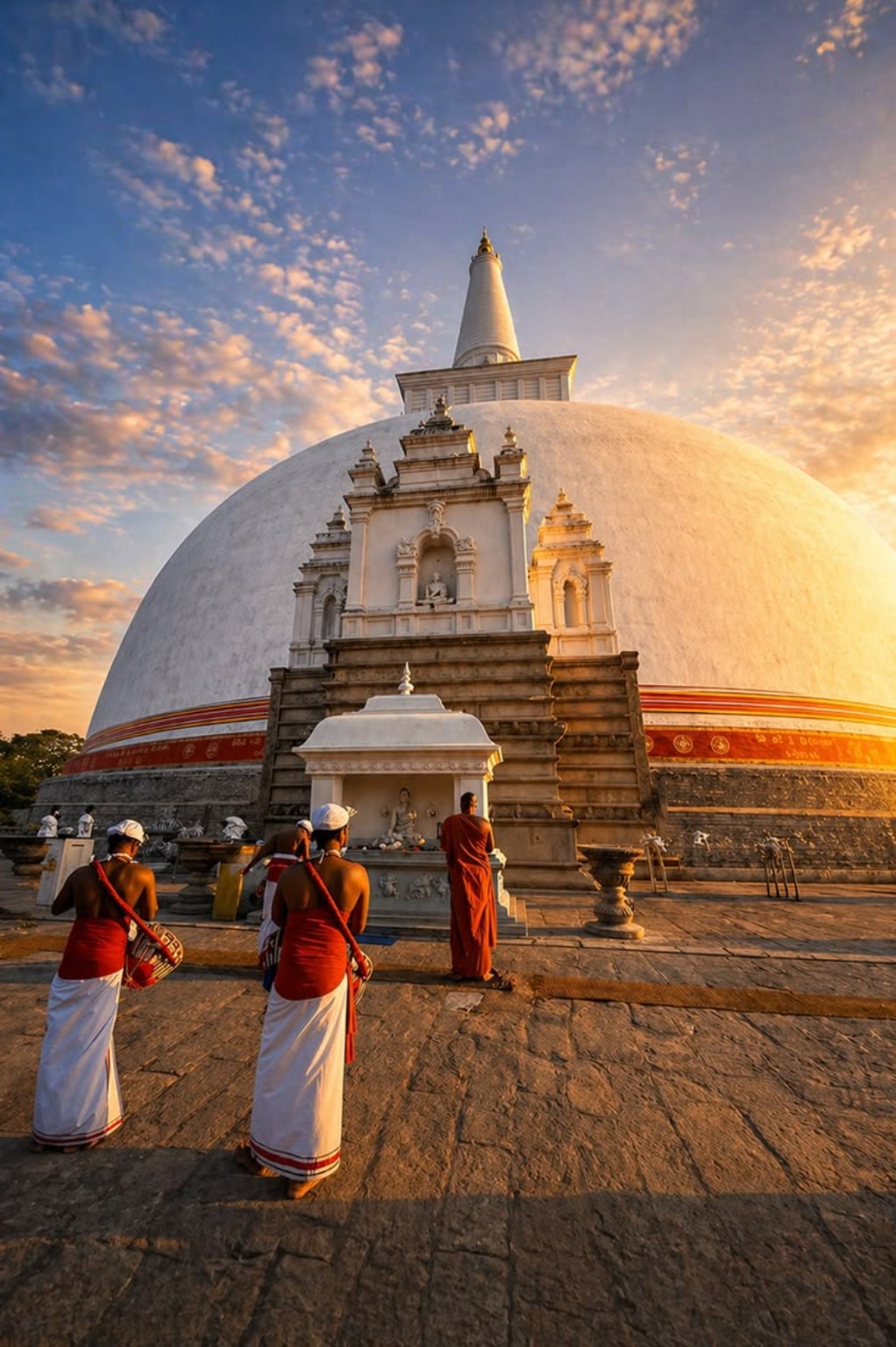
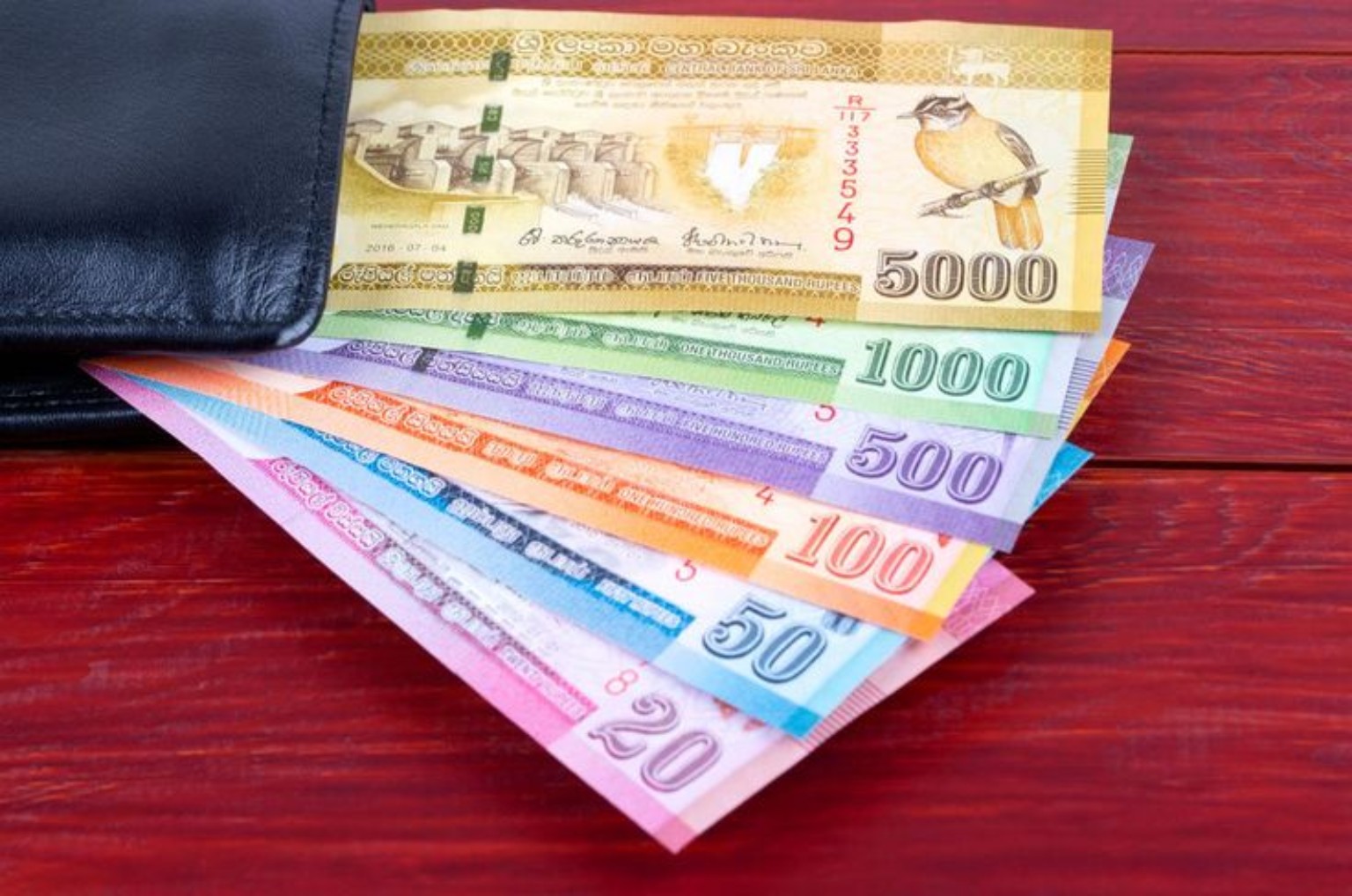
Keep some Sri Lankan rupees with you.
Cards are useful in hotels, larger restaurants and many modern businesses, but cash remains important for smaller shops, local food, tuk-tuks, entrance fees and places outside major tourist centres.
Tipping is not something you need to treat as an automatic obligation everywhere. Hotels and restaurants may already include service charges and taxes; if a service has been genuinely helpful, a tip can be a personal way of saying thank you. Chauffeur-guides may commonly expect a tip when service has been good.
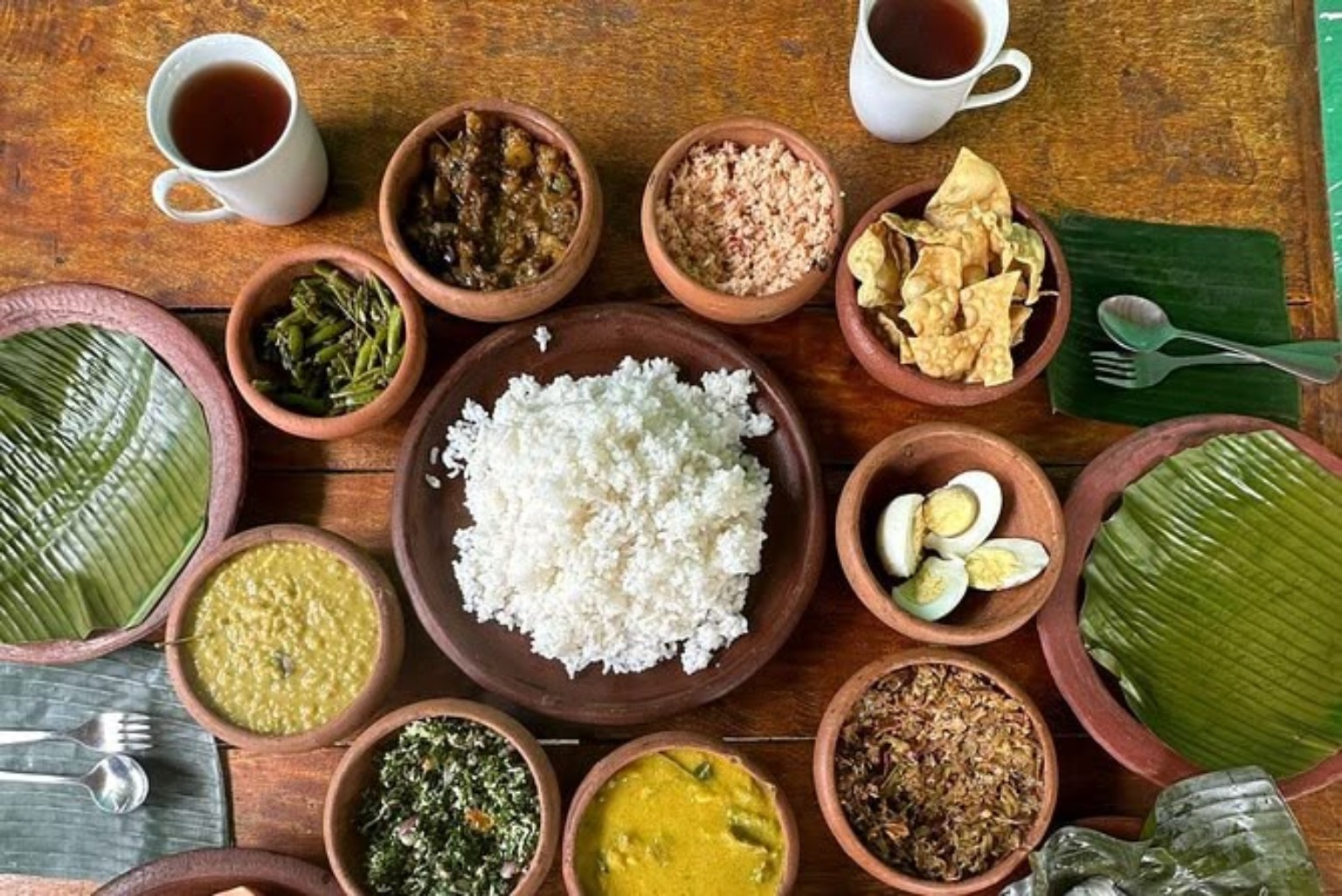
Sri Lankan food is part of the journey.
Rice and curry, hoppers, roti, kottu, sambol and tropical fruit are only the beginning. Local food is one of the easiest ways to experience everyday Sri Lankan life.
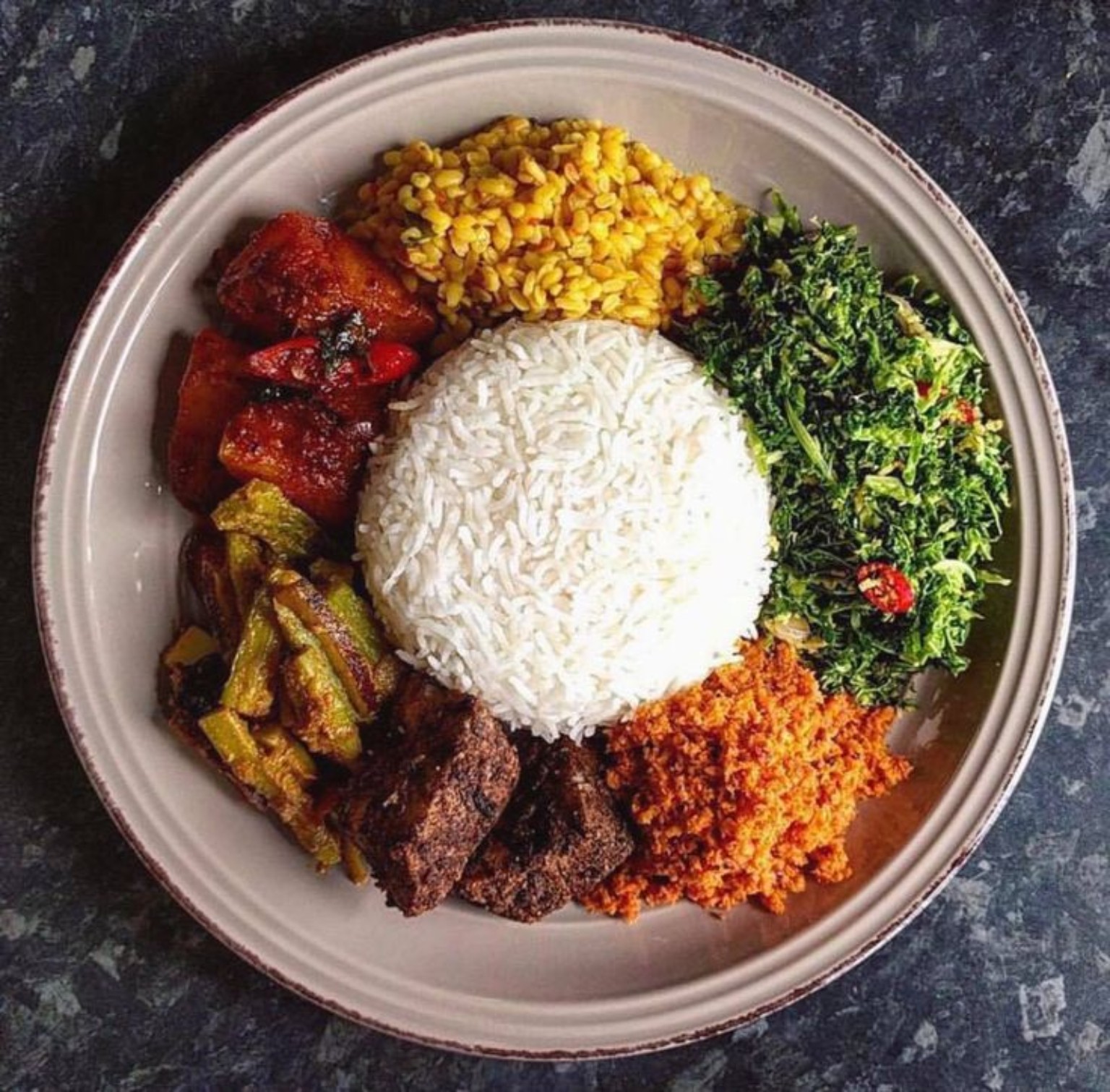
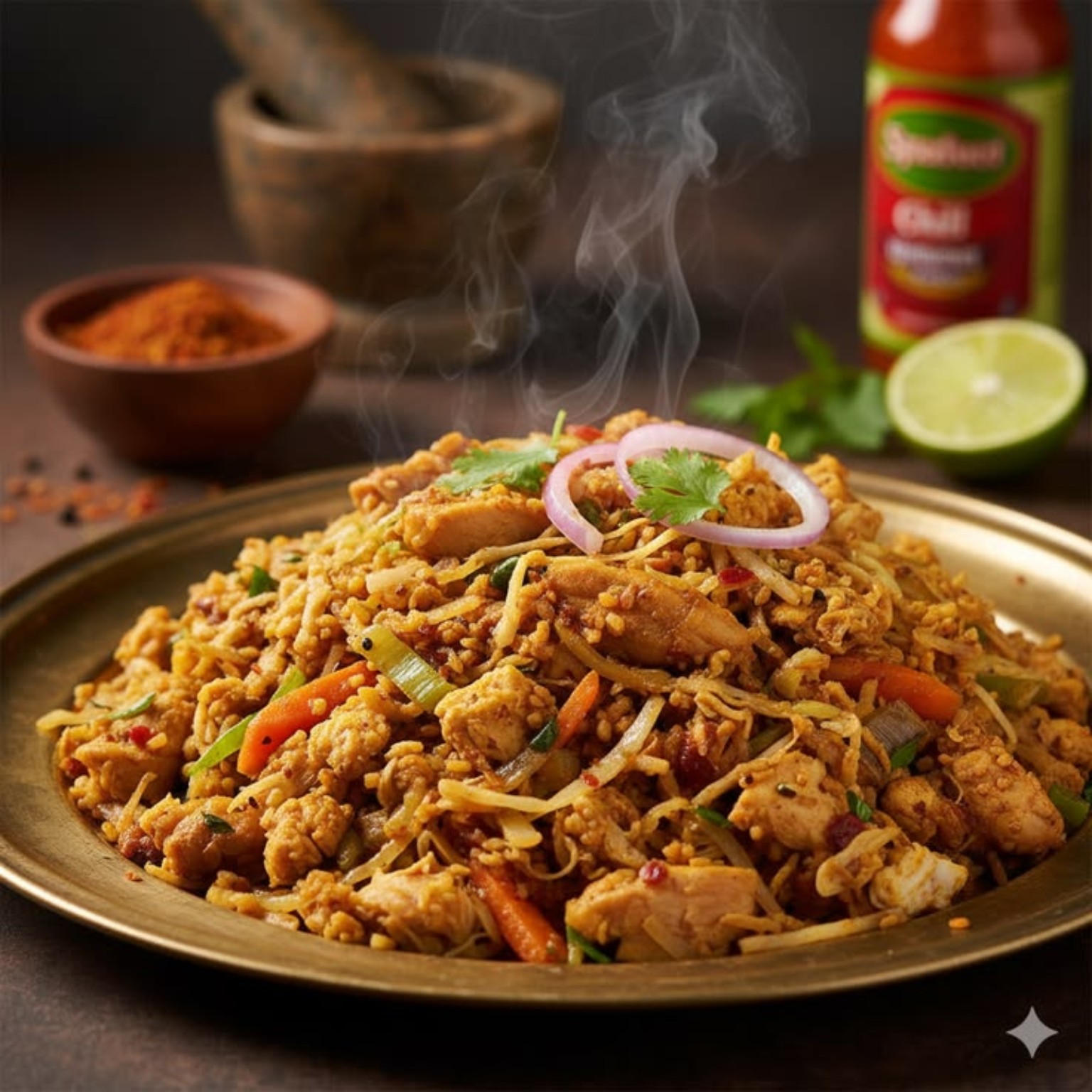
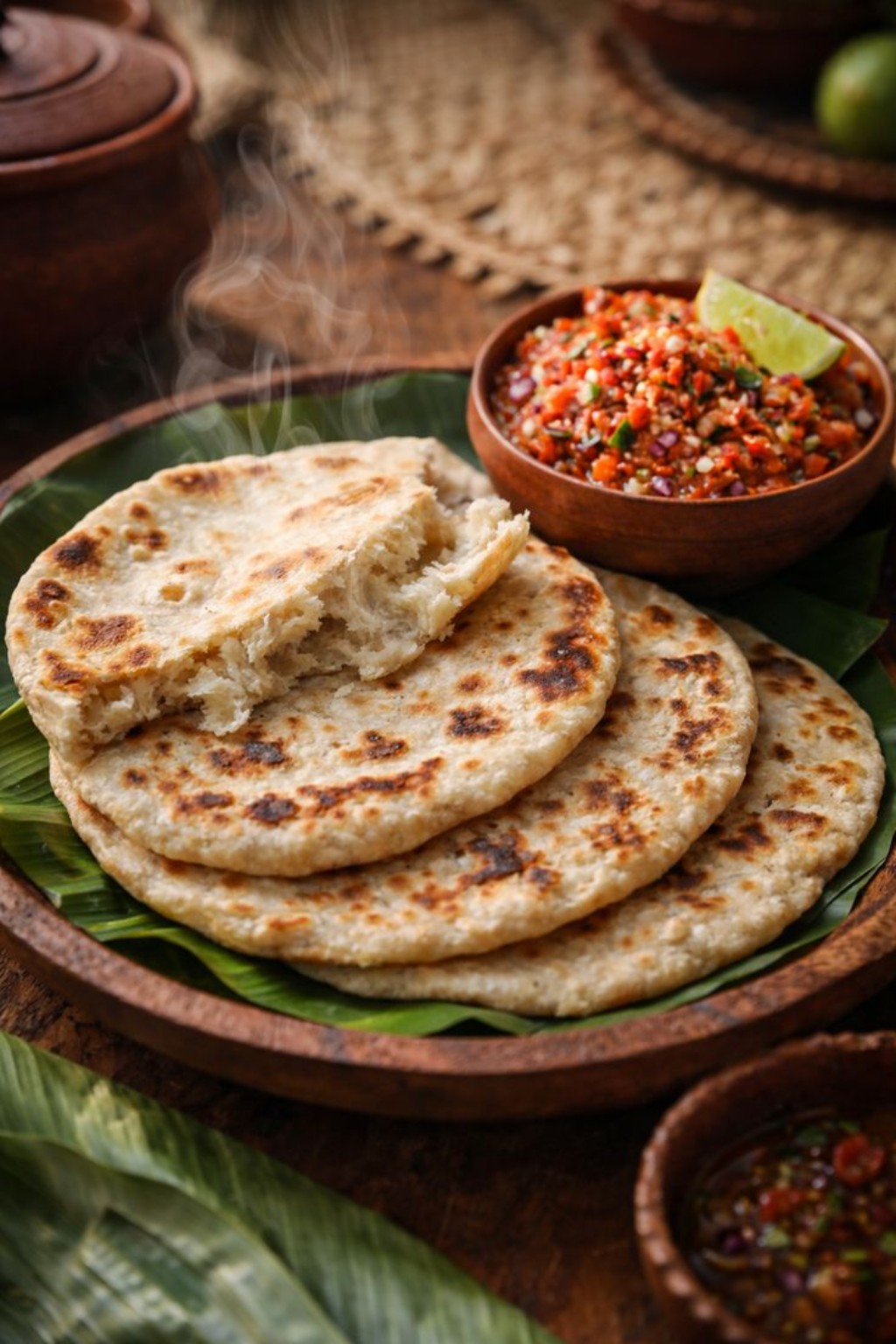
A meal can come with several vegetable curries, dhal, sambol, pickles and other sides. What appears on the plate varies by home and restaurant.
Chopped roti cooked on a hot griddle with vegetables and optional egg, chicken or other ingredients.
Try different breads and breakfast foods, and explore local fruit when you stop at markets or roadside stalls.
Sri Lankan food can be spicy, but “spicy” does not mean every dish is the same. Tell the restaurant what level of heat you are comfortable with and try different regional and household styles.
Travel comfortably by keeping the basics simple.
Drink water from a source you trust and carry a reusable bottle when practical. In places where you are unsure about the local water supply, use sealed bottled water or another reliable treated-water option.
Sri Lanka's heat, humidity and long travel days can catch you by surprise. Drink regularly, use sun protection, take breaks and do not wait until you are exhausted to slow down.
Keep basic personal medication and toiletries with you, especially when travelling to rural areas where your preferred brand may not be immediately available.
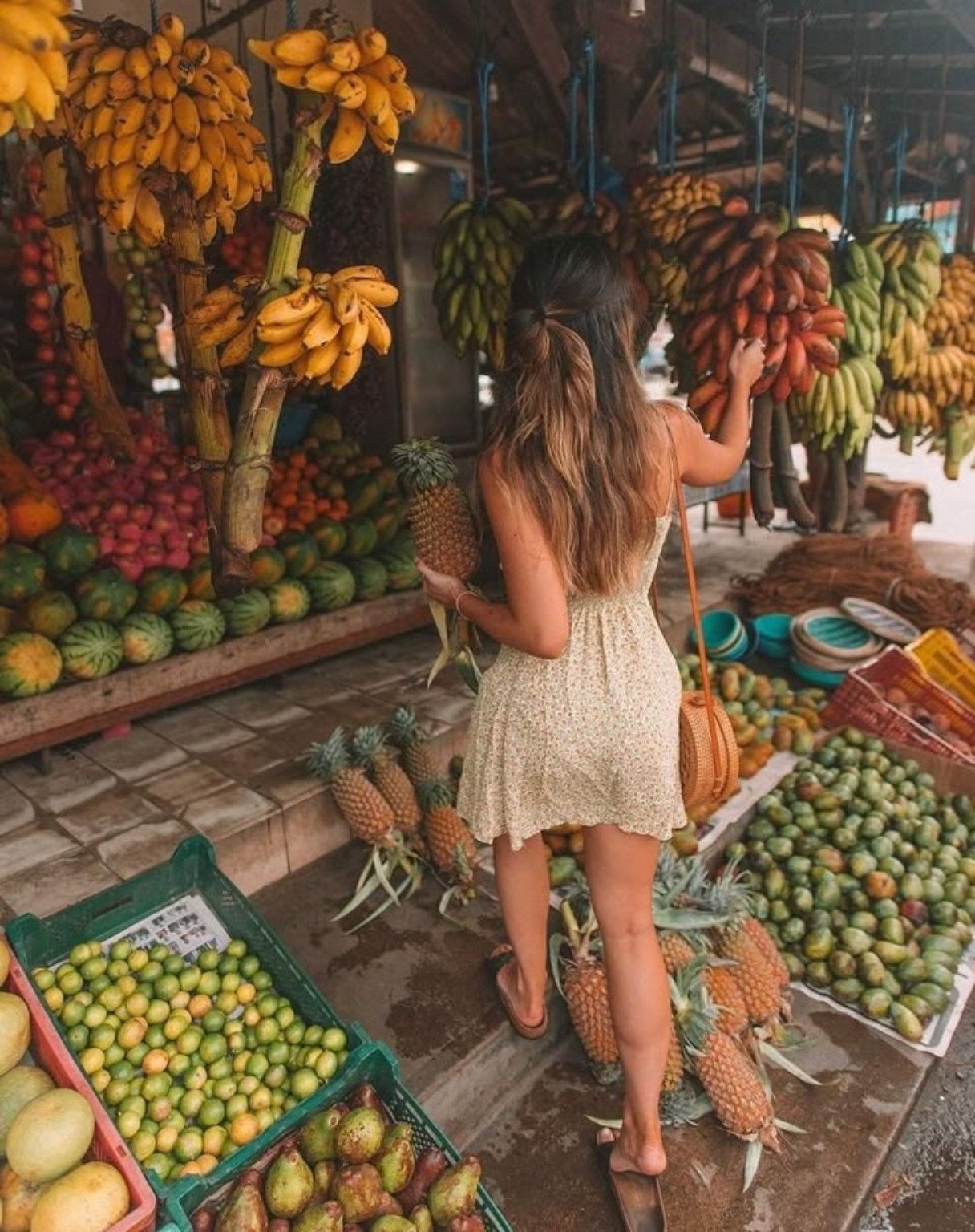
See wildlife without turning it into a performance.
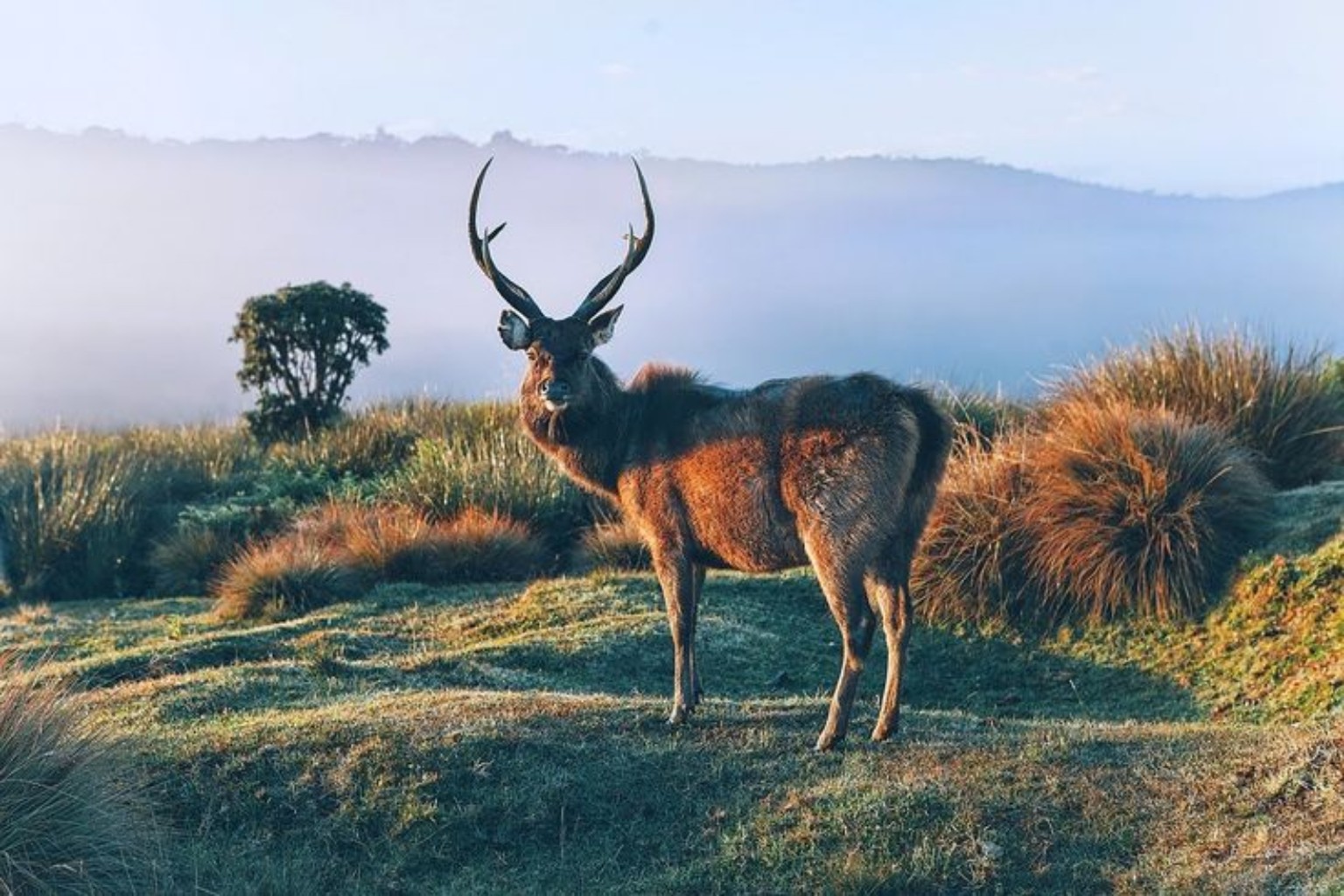
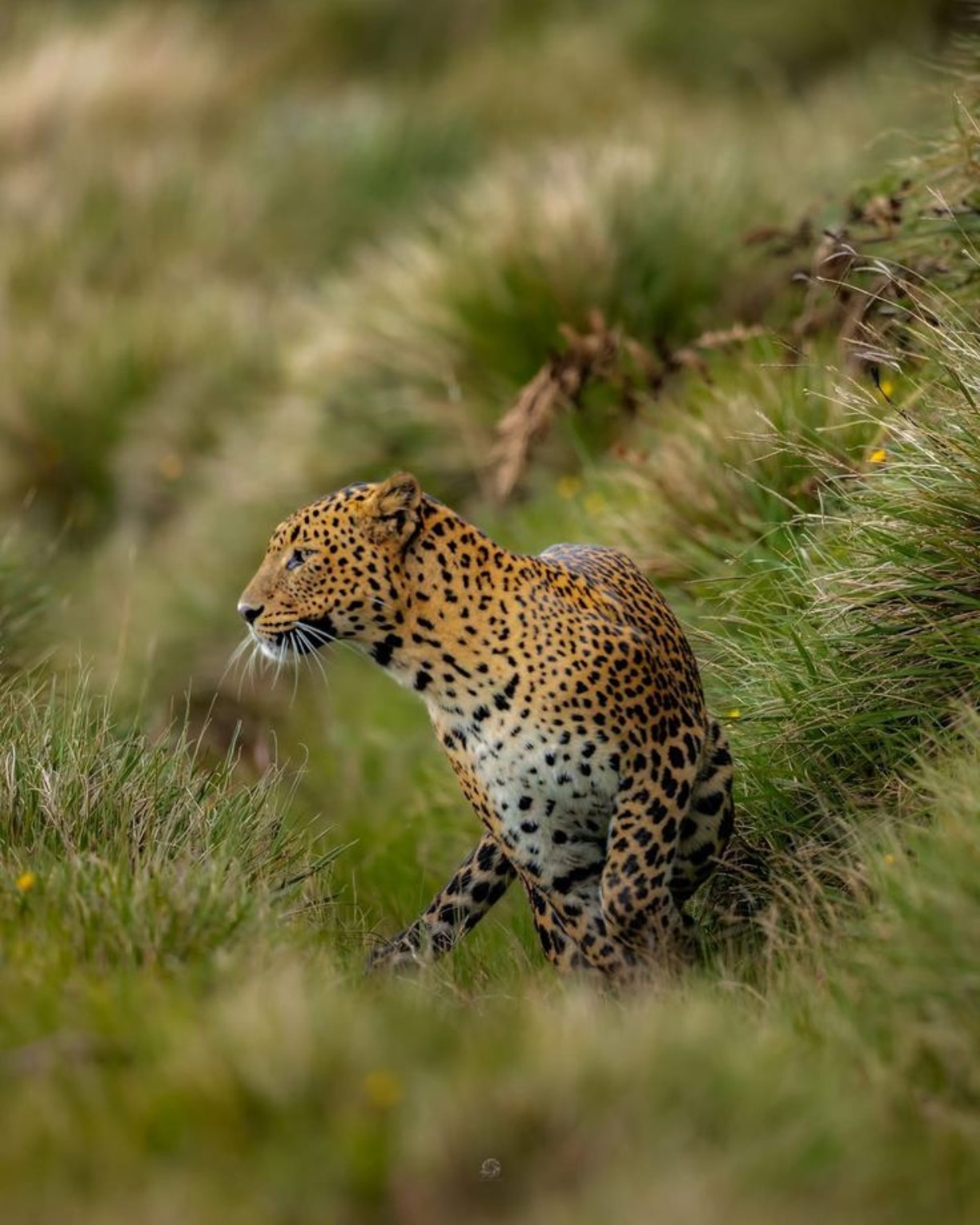
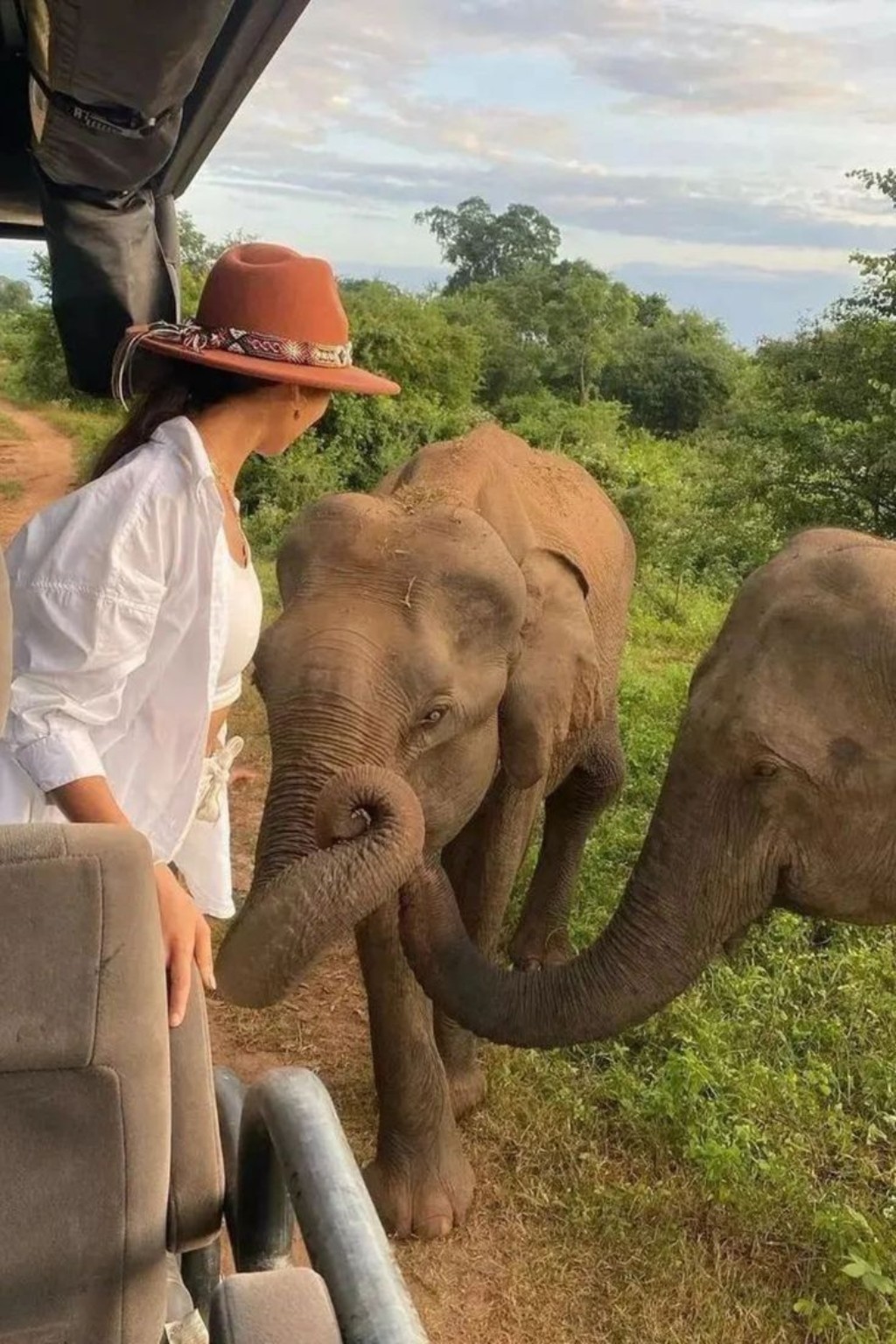
Sri Lanka is famous for elephants, leopards, deer and birdlife. A good wildlife experience is not only about seeing an animal; it is also about how the animal is treated while you are watching.
Let animals keep natural space. Never ask a driver to move dangerously close just for a photograph.
Feeding changes natural behaviour and can create risks for animals and people.
Stay inside permitted routes. Sightings are never guaranteed, and a responsible safari does not chase an animal simply to create a photograph.
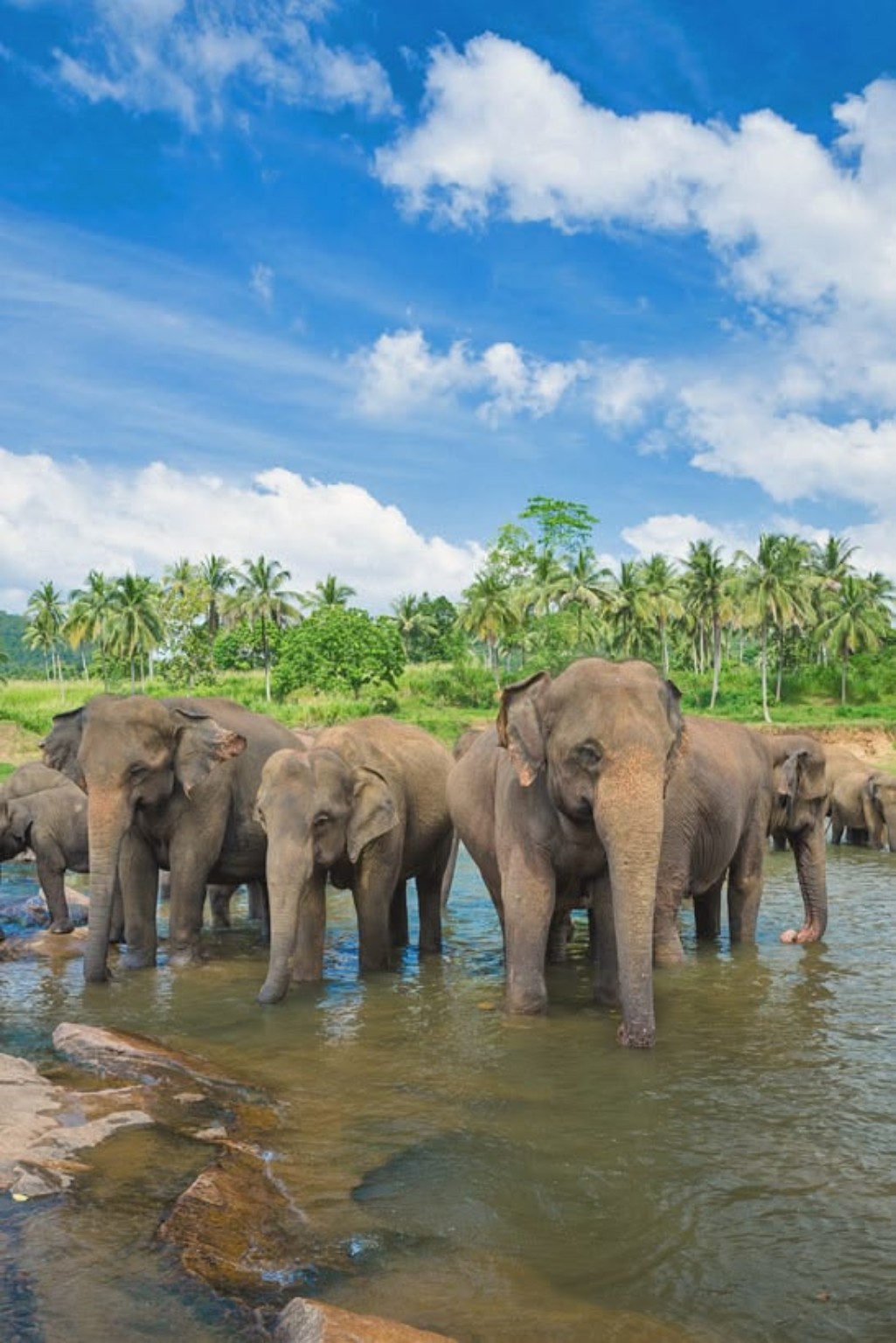
Ask before photographing people.
People are not scenery. A quick smile and “May I?” can make the difference between taking a photograph and sharing a moment respectfully.
Be especially considerate around children, workers, monks, worshippers and people taking part in ceremonies. If someone says no or looks uncomfortable, lower the camera and move on.
Cultural places are lived places. Photograph with the same respect you would show the people who use them.
Stay connected, but don't depend on it everywhere.
Mobile data and Wi-Fi are common in towns and tourist areas, but coverage can weaken in mountains, forests and remote rural areas.
Download important maps, accommodation details, tickets and booking information before leaving reliable coverage. Keep key phone numbers available offline.
If you are heading into remote hiking, rainforest or mountain areas, tell someone your route and keep the essential information available without an internet connection.
Look beyond the souvenir shelf.
Markets, small shops and craft centres can be part of the journey. If you buy souvenirs, ask where they were made and choose products that support local makers and do not involve protected wildlife or archaeological material.
Sri Lanka's craft traditions include woodwork, masks, textiles, tea and many other locally made products. Buying directly from genuine local makers can turn a souvenir into part of the story of the place you visited.

Famous places are only the beginning.
Sri Lanka's famous places are famous for a reason. But the island becomes more interesting when you leave room for smaller experiences: a quiet tea stop, a village road, a local market, a short forest walk or an unexpected viewpoint.
Give yourself time to notice the places between the attractions. The road between two famous places can sometimes tell you as much about Sri Lanka as the attraction itself.
Build a rhythm, not a checklist.
A packed itinerary can look impressive on paper and exhausting on the road. Traffic, rain, trains, opening times and local schedules can change the day.
If you want a sunrise hike, a long train ride and a temple visit on the same day, understand the travel time between them before committing. A little breathing room often creates space for the best moments.
Think about the feeling you want from the day as well as the number of places you want to see. A slower day in the mountains may be more memorable than four rushed stops.
Let Sri Lanka move at its own pace.
Road traffic, train schedules, weather, ceremonies, local opening times and everyday life do not always follow the timetable you imagined at home.
That does not automatically mean something has gone wrong. Build realistic margins into the itinerary and treat some delays as part of travelling rather than a reason to lose the day.
Leave places better than you found them.
- Reduce single-use plastic where practical.
- Respect wildlife and protected areas.
- Support local guides, drivers, restaurants and small businesses.
- Follow temple, heritage and environmental rules.
- Do not remove archaeological objects, plants, shells or wildlife.
- Choose experiences that treat local communities and animals with respect.
- Respect photography restrictions at cultural and religious sites.
A few everyday details can make the journey easier.
Sri Lanka drives on the left. Road conditions and traffic can be busy, especially around towns. If you are crossing a road, do not assume vehicles will behave exactly as they do at home.
Facilities for travellers with physical disabilities vary widely. Public transport and older heritage sites may not provide the same accessibility standards you are used to.
Observe no-smoking rules. Photography can be restricted at some religious or heritage sites and a photography fee may apply at particular attractions.
A simple Sri Lanka arrival checklist.
- Check current ETA/visa requirements.
- Keep passport and onward-travel information accessible.
- Save your accommodation address offline.
- Keep important booking confirmations available.
- Arrange airport transport if needed.
- Have some local cash available.
- Download maps and important contacts.
- Keep a backup payment method.
- Pack respectful temple clothing.
- Leave breathing room in your itinerary.
- Expect the island to move at its own pace.
- Be curious about the places between the highlights.
Come prepared. Leave room for discovery.
You can prepare your documents, plan your route, understand the seasons and learn a few words of Sinhala. Those things make travelling easier. But the real experience begins when the plan meets the island.
Prepare for the journey, but do not plan away every surprise. Leave some space for Sri Lanka to introduce itself to you.